Stop Auditioning for Your Last Job: Rewriting the About Page as a Casting Call
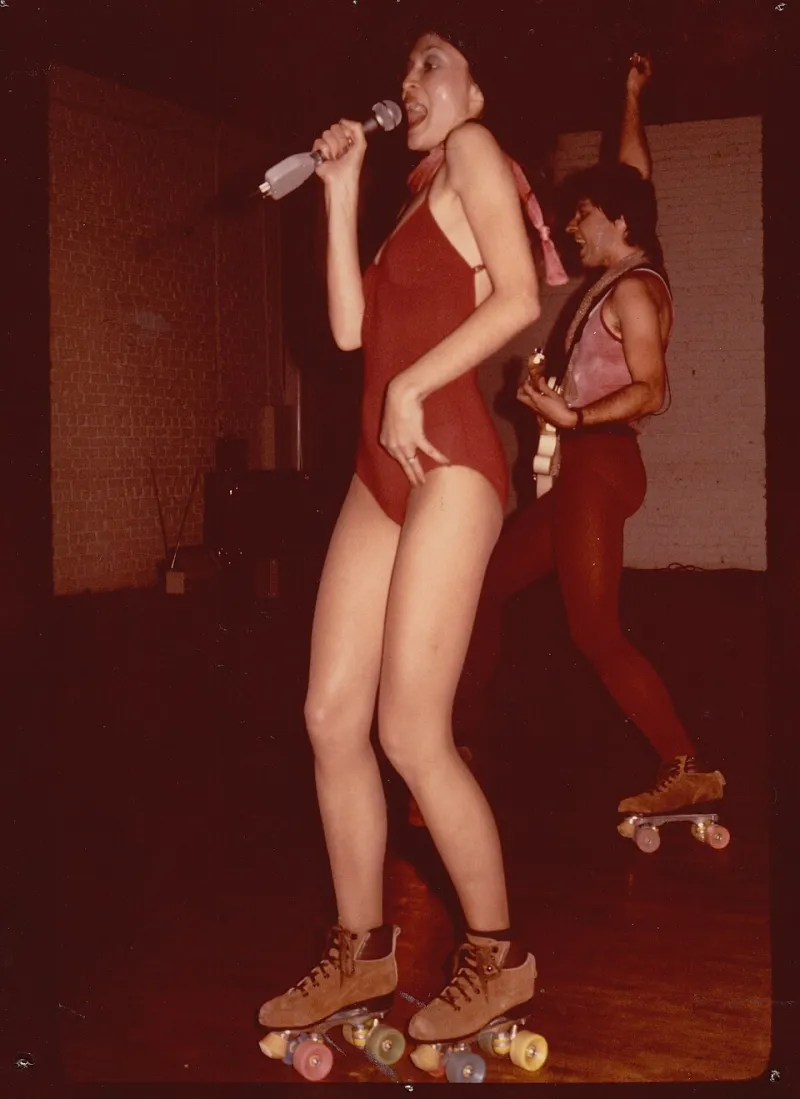
Photo: Lippy Lion, Public domain, via Wikimedia Commons
Go look at your about page. Actually open it. Now read the first two sentences out loud.
If they sound like "I'm a multidisciplinary designer based in [city] with eight years of experience across brand, digital, and product," congratulations: you have written a LinkedIn export and put it on your own website. It is accurate. It is also completely inert.
A bio tells a reader where you have been. A casting call tells them what you are trying out for now. Those are different documents, and only one of them gets you hired.
The Chronological Trap
Chronological about pages feel safe because they are defensible. Every line is verifiable. You worked at that agency, you shipped that app, you won that award. Nothing to argue with.
But safety is not the goal of an about page. The goal is to get a specific kind of person to picture you inside a specific kind of project. A timeline does not do that. A timeline says "here is the shape of my career," and the reader has to do all the work of figuring out whether that shape fits what they need.
Meanwhile, the people who actually read your about page — the ones who clicked through from a project and want to know if you are worth an email — are not researching your history. They are looking for a reason to cast you.
Steal the Language of Casting
Think about how a casting notice reads. It does not say "actor with fifteen years of experience." It says: mid-twenties, dry comic timing, comfortable with improv, plays working-class, reads warm but guarded.
That is a set of signals. It lets a director instantly imagine the person in the role, and it lets the wrong director rule themselves out — which is a gift, not a loss.
Your about page can do the same thing. Instead of credentials, give signals:
- Genre. What kind of work is this? Not "brand and digital" — that is a category, not a genre. Try "identity work for small food and beverage companies that are trying to look less like a startup."
- Point of view. What do you believe about the work that not everyone agrees with? One sentence, stated plainly, no hedging.
- The room you want to be in. Name the collaborators, client types, or project shapes you want next. Be concrete enough that a stranger could recognize one if they saw it.
Before and After
Here is the kind of rewrite I mean.
Before: "I'm a video editor and motion designer with seven years of experience working with agencies and brands across the US. I specialize in short-form content and have worked on campaigns for major consumer brands."
After: "I cut short-form video for brands that have a point of view and no interest in sounding like everyone else. My work tends to be fast, funny, and a little uncomfortable — the kind of cut that makes a scroll stop rather than a scroll continue. I'm looking for in-house teams at DTC brands and the occasional documentary project that needs a comedy editor."
Same person. Same seven years. But the second version tells you whether to email, and roughly what to write in the subject line.
Before: "Passionate about creating meaningful experiences that connect people with brands."
After: "I build packaging systems for small-batch consumer brands — the kind of labels that look right on a shelf at a co-op in Vermont and still hold up on a Target endcap. I like working with founders who have strong taste and no design vocabulary."
Notice what changed: verbs got specific, adjectives got swapped for behaviors, and the audience got narrow.
Say the Genre Out Loud
Most creative people resist naming a genre because they worry it sounds limiting. It is the opposite. A genre is a promise, and a promise is easier to say yes to than a menu.
"I do brand, web, editorial, packaging, and motion" is a menu. The reader has to assemble a project out of it. "I do identity systems for independent restaurants" is a promise. The reader either has that problem or does not, and both answers save time.
You can still list other capabilities further down the page. Genre first, range second. The first thing a stranger reads should be the thing you most want to be hired for, not the thing you are most afraid of being pigeonholed into.
Name the Room You Want to Be In
This is the part almost nobody writes, and it is the most useful part. Close the page with a sentence about who you want to work with next.
Something like: "Right now I'm most interested in working with museum and cultural clients who are trying to reach audiences under thirty, and with design studios that need an extra editorial brain on retainer."
Two effects. First, the right people read it and realize they qualify. Second, the wrong people read it and move on quietly instead of wasting six weeks of both your lives on a project neither of you wanted. That second effect is worth more than you think.
What to Cut
Go through the page with a red pen and remove:
- The origin story. Nobody needs to know you started drawing at age four. One line of context, maximum.
- The list of software. It is a filter, not a credential. If they need to know, they will ask.
- "Passionate," "multidisciplinary," "strategic," "storyteller." These words appear on so many pages they have stopped carrying information.
- The third-person voice. Unless you are a law firm, write as yourself.
The Three-Line Version
If you only have twenty minutes, do this: write three lines. What genre you work in. What you believe about it. Who you want to hear from. Put those at the top of the page, above the photo, above the logo strip, above everything.
You can keep everything below. You just cannot lead with it anymore. A casting call goes at the front, because that is the only part anyone actually reads.