Taste Is Downstream of Attention: Your Feed Is Writing a Brief You Never Approved
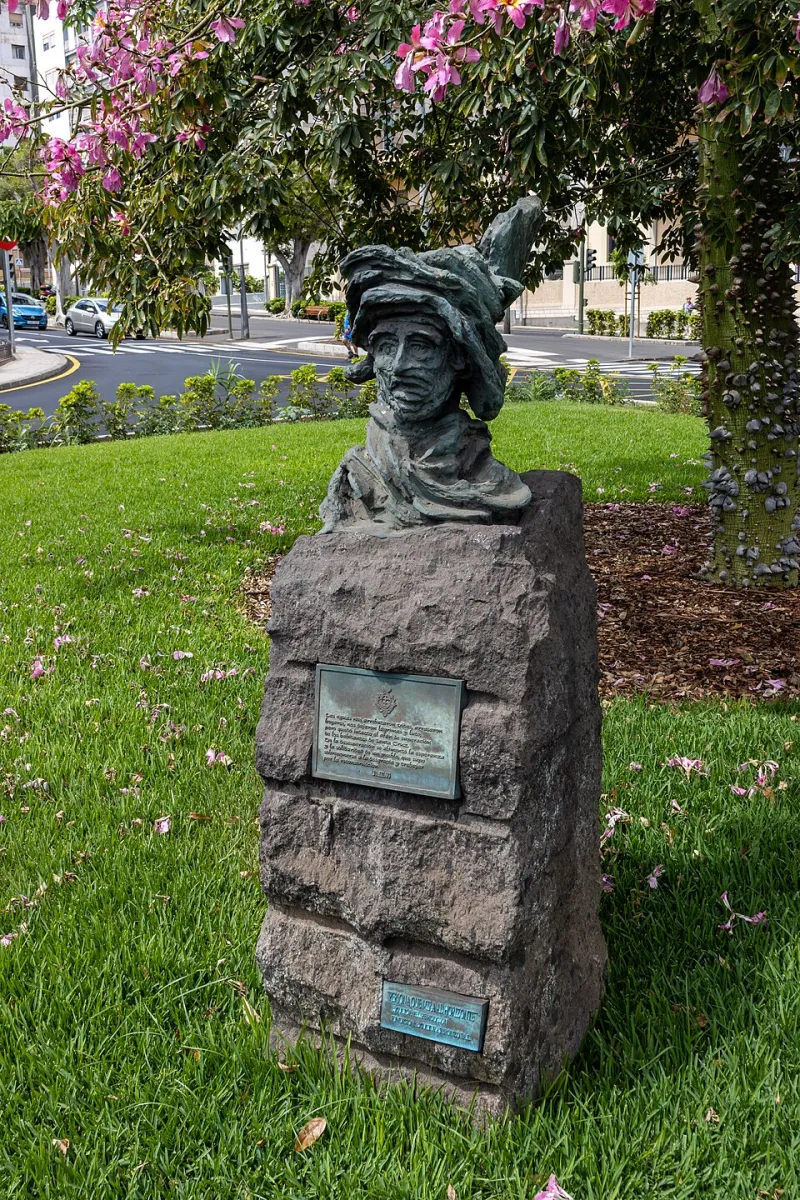
Photo: Photograph by Mike Peel (www.mikepeel.net)., CC BY-SA 4.0, via Wikimedia Commons
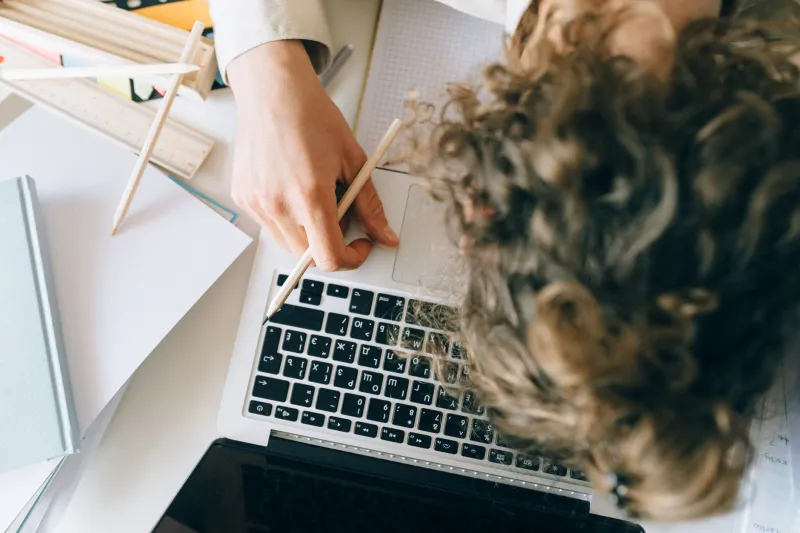
Ask a room full of creatives about their process and you'll hear about routines, tools, sprints, deadlines, and how many cups of coffee. Almost nobody mentions the thing that's actually shaping their work every single day: what they look at.
Input is the unexamined half of the job. We treat it like weather — it just happens to us — while spending enormous energy optimizing output. In 2026, with a feed algorithm deciding what you see before your second cup of coffee, that asymmetry is expensive.
Output Gets the Spreadsheet. Input Gets Nothing.
Think about the effort gap. You probably have opinions about your project management system, your file naming, your portfolio layout. Do you have any about where your references come from? Most people don't. The default answer is 'whatever's on my phone.'
That's a strange way to run a creative practice. If your taste is the thing clients actually pay for, and your taste is assembled from what you consume, then your consumption deserves at least a fraction of the scrutiny you give your process docs.
The Algorithm Is Already Writing Your Creative Brief
Here's the uncomfortable version of the argument. Every time you save something, the feed learns. Every time you linger on a certain kind of typography or a certain style of edit, that pattern gets reinforced. Within a few weeks, you're being served a very confident, very narrow opinion about what good work looks like — one you never consciously agreed with.
Then you sit down to make something and wonder why it keeps landing in the same three visual moves as everyone else posting that week.
That's not a talent problem. It's a sourcing problem. You've been drinking from one tap, and the tap has a business model.
Taste Is Downstream of Attention
The phrase sounds grand, but it's pretty literal. What you pay attention to becomes your reference library. Your reference library becomes the vocabulary you reach for under deadline. Under deadline, you reach for the vocabulary you have. That's the whole pipeline.
Which means a change in input isn't a nice-to-have. It's the highest-leverage edit available to you — and it doesn't require a single new skill, just a different set of open tabs.
The input audit: one hour, once
Block an hour, no phone, and do this on paper.
- Screenshot your home screen and your last twenty saves. Don't curate. Just capture.
- Sort every item into two piles: made by a person, or made to sell you something. Be honest about the second pile. A lot of what looks like inspiration is a funnel.
- Name the pattern. What are the recurring sources? Are they all from one platform, one country, one decade, one aesthetic? If everything is from 2024 and later, say so out loud.
- Count the backgrounds. Podcasts, ambient playlists, muted TV while you work. That's input too, and it's the kind you'll never remember choosing.
Most people finish this exercise and find that 70% of their declared inspiration comes from roughly five accounts that all look the same.
Follow makers, not marketers
The single highest-impact habit change I've made: for every account that posts primarily about how to do creative work, follow a few that post the work itself. An illustrator posting sketchbooks. A carpenter posting joinery. A museum account posting scans of century-old print ads.
Marketers sell the outcome. Makers sell the process. One builds appetite, the other builds vocabulary.
The weekly reset
Twenty minutes, same day every week, ideally before you start making anything:
- Add three sources unrelated to your discipline and delete two noisy ones.
- Convert one save into a note. A screenshot you never look at again is just clutter. Write one sentence about why it caught you.
- Read one long thing. An essay, a chapter, a printed zine. The kind of thing that can't be scrolled.
Twenty minutes a week is nothing. It's two target runs. But it shifts the ratio between consuming what's fed to you and choosing what you take in.
The Background Noise Problem
One more thing, because it's sneaky. Constant background media — the podcast you're not really listening to, the stream running while you work — fills the space where you'd normally sit with a half-formed idea and let it firm up. A lot of creative work happens in the gaps, and we've spent a decade sealing the gaps shut with sound.
Try a two-hour silence window once this week. Not a detox, not a lifestyle overhaul. Just an honest test of what shows up when nothing's coming in.
Nothing Here Requires Discipline
The plan isn't to consume more, or better, or carefully curated like some kind of monk of the feed. It's simpler: realize that your attention is a studio resource and treat it like one. You'd never accept a supplier who changed your order without asking. There's no reason to accept an algorithm writing your references.
The work you make next year is being assembled right now, in your saves and your scrolls. Easier to weigh in on it before the deadline.