Show Less, Charge More: The Portfolio Strategy Nobody Wants to Admit Works
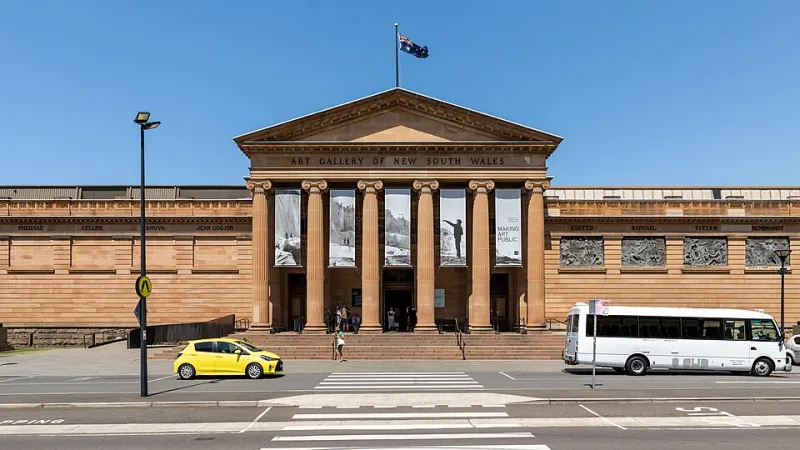
Photo: Dietmar Rabich, CC BY-SA 4.0, via Wikimedia Commons
There's a ritual every creative goes through at some point. You build the portfolio site. You upload everything — the client work, the passion projects, the thing you made at 2 a.m. because you couldn't sleep. You hit publish on all of it because somewhere along the line, you absorbed the idea that a creator who hides their work is a creator with something to hide.
I want to push back on that. Hard.
The All-Access Portfolio Is a Race to the Bottom
Think about how a potential client or collaborator actually browses your work. They're not studying it. They're skimming, scrolling, forming a snap judgment in about ninety seconds. When everything is available, nothing stands out — and worse, everything becomes negotiable.
If a client can see all twelve projects you've ever done, they can also see the three you did for cheap, the two that were rushed, and the one where you clearly phoned it in. Your full archive doesn't prove range. It hands people a price list of your past compromises.
Compare that to the photographer who shows six images a year. Or the indie game dev who posts one cryptic screenshot every few months and has fans dissecting it on Reddit like it's the Zapruder film. Scarcity isn't just a marketing trick — it signals that your work has weight, that access to it means something.
Restraint Reads as Confidence
There's a reason luxury brands don't explain themselves. When you show only a handful of pieces, you're making a quiet statement: this is enough for you to decide. That posture does more for your negotiating position than any case study ever will.
I've watched this play out with musicians who keep their best unreleased tracks off streaming entirely, playing them only live. The bootleg economy that springs up around those songs is worth more in hype than a playlist placement ever was. Same energy with illustrators who sell prints of only a fraction of their catalog — the exclusivity is the product.
Meanwhile, the creator who posts everything, everywhere, all the time? They've trained their audience to expect total access at zero cost. Good luck raising your rates after that.
A Simple Filter: What Earns a Public Spot
Before anything goes on your site or feed, run it through three questions:
1. Does this piece attract the work I want next? Not the work you've done — the work you want. Your portfolio is a casting call for your future, not a museum of your past.
2. Would I be happy doing this project ten more times? Because if it's public, someone will ask you to. Show a logo for $150 and you'll get a dozen inquiries at $150.
3. Does showing it cost me anything? Some of your most powerful work should stay private — the pitch deck that won the client, the design that only appears behind an NDA. Referencing it ("recently delivered for a national retailer") often lands harder than displaying it.
If a piece passes all three, it goes up. If it doesn't, it goes in the archive — which, by the way, is not a graveyard. It's leverage for the right conversation with the right person.
The Paywall Isn't the Point. Selectivity Is.
I'm not saying gate everything behind a subscription and vanish into a vault. Some of you should absolutely be giving away great work for free — free builds audience, and audience builds opportunity. The point is that everything shouldn't be free, visible, and instantly consumable.
The creators with real leverage treat their output like a gallery, not a garage sale. Curated walls. Rotating exhibits. A few pieces that exist only in rumor.
You spent years developing taste. Apply it to your own archive. The work you hide says as much about your value as the work you show — maybe more.