The Working Creative's Playbook: 7 Habits That Keep the Machine Running

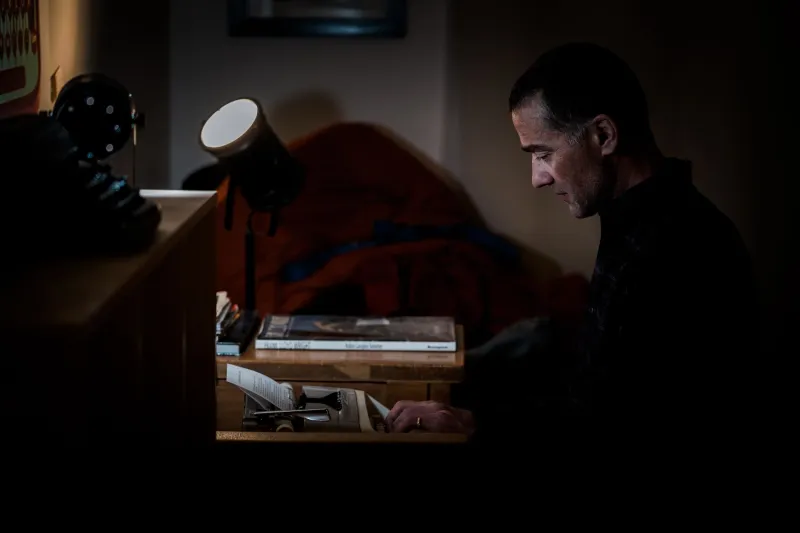
Photo: Dai Stanton, CC BY-SA 2.0, via Wikimedia Commons
Ask a working creative what their secret is and they'll usually mumble something about luck. Dig a little deeper and you'll find something less romantic: a set of boring, repeatable habits that keep them producing whether or not inspiration shows up. After talking with designers, musicians, and writers who actually make a living at this — most of them juggling day jobs here in the States — a handful of patterns keep coming up.
1. Time-Block the Deep Work Before the World Wakes Up
Almost every working creative I know protects their first ninety minutes. Not for email. Not for scrolling. For the actual craft.
The logic is simple: your willpower and your focus are both at their peak early, and the demands of a day job haven't started yet. If you're an accountant who writes novels, that means 5:30 a.m. with a pot of coffee and a phone in another room. Unglamorous? Completely. Effective? Ask any author with a day job — the 5 a.m. club is crowded for a reason.
Adopt it: Pick one recurring morning block per week to start. Same time, same chair, every week.
2. Keep an Idea Parking Lot
Creative people lose more ideas to bad timing than to lack of talent. The fix is a single, always-accessible capture spot — a notes app, a pocket notebook, a whiteboard by the door. Every half-formed concept goes in, no judgment.
The magic isn't writing ideas down. It's never starting a session from zero. When you sit down to work, you open the parking lot and pick something that's already marinating. You skip the twenty minutes of staring at a blank page, which is where most hobbyists give up.
Adopt it: One note titled "Parking Lot." Add three ideas this week, even dumb ones.
3. End Every Session Mid-Sentence
Hemingway swore by this one. Stop working while you still know what comes next. If you finish a section completely, tomorrow's session starts with a cliff. If you stop halfway through a thought, you start with momentum.
Adopt it: Set a timer, and when it goes off, write one more line, sketch one more shape, record one more take — then stop.
4. Separate the Maker Room From the Manager Desk
Working creatives are ruthless about context. One corner, desk, or even one specific chair is where making happens. Email, invoicing, and social media happen literally anywhere else — a different room, a coffee shop, the couch.
It sounds precious until you realize what's actually happening: you're training your brain to flip into work mode on cue, like a musician hearing a soundcheck. Mixed-use spaces produce mixed-use focus.
Adopt it: Even in a small apartment, a specific lamp turned on can mark "studio mode." Ritual beats square footage.
5. Ship Something Small Every Week
Professionals don't wait for masterpieces; they maintain a cadence. One finished thing per week — a beat, a blog post, a logo sketch, a minute of footage. Small, finished, out the door.
The compounding effect is real. Fifty-two small ships a year beats the one ambitious project that never quite gets done. And finished work generates feedback, which generates better work.
Adopt it: Friday afternoons, ship the week's smallest finished thing. Publicly if you can stomach it.
6. Schedule the Boring Business Block
Nobody likes invoices, taxes, and chasing clients for payment — but working creatives do them on a schedule instead of avoiding them until crisis. One recurring ninety-minute block, weekly or biweekly, handles all of it. No creative work allowed in that window, so there's no internal war about how the time "should" be spent.
Adopt it: Calendar it now. Same slot every week. Treat it like a dentist appointment.
7. Protect the Recovery Like It's a Client Meeting
The weekend warrior burns out because they treat their craft like a second job with no PTO. Working creatives build in deliberate off-switches — a real day off, a walk without a podcast, an evening where the sketchbook stays closed.
This isn't self-care fluff. Creative output runs on a well that refills slowly. If you never stop drawing from it, the ideas get thin and the work gets bitter.
Adopt it: One full day a week, zero craft. The work will be there Monday.
None of these habits will make you talented. That's not their job. What they do is remove the friction, decision fatigue, and chaos that keep talented people producing nothing. Stack a few of them, and the gap between the hobbyist and the professional starts to close — one unglamorous Tuesday at a time.