Forgotten Is a Feature, Not a Bug: How Your Irrelevance Era Might Be the Best Thing That Ever Happened to You

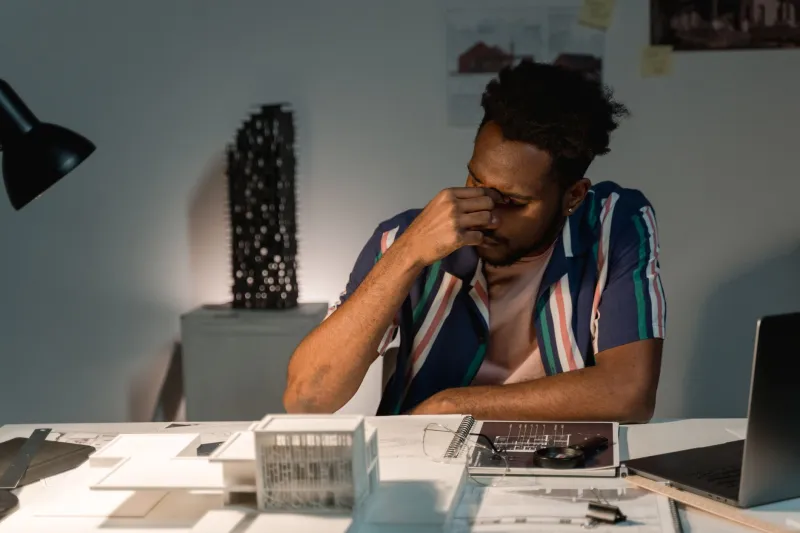
There's a specific kind of silence that settles in when people stop paying attention to you. No notifications. No DMs asking when the next thing drops. Nobody tagging you in anything. Just... quiet. If you've been there — and a lot of creators have — you probably know how loud that silence gets inside your head.
We call it the washed-up era. The career plateau. The "whatever happened to..." phase. And most people treat it like a diagnosis.
But here's the thing: some of the most interesting creative comebacks in recent memory didn't happen despite a period of being ignored. They happened because of it.
The Pressure Cooker You Didn't Know Was Broken
When you're in the middle of a hot streak — followers climbing, projects stacking up, people excited about what you're doing — there's this invisible pressure that builds. Every new piece of work has to match or exceed what came before. You start making decisions based on what the audience expects rather than what actually excites you. You're not creating anymore. You're maintaining.
That pressure is exhausting, and the worst part is that it's almost invisible while it's happening. You only really feel how tight the grip was once it lets go.
Being forgotten, as brutal as it feels, releases that grip entirely.
Suddenly there's no audience to disappoint. No algorithm to chase. No previous version of your brand you have to stay consistent with. You're just a person with skills, ideas, and time — which is actually a pretty solid starting point.
What the "Washed Up" Label Actually Gives You
Let's talk about positioning for a second, because this is where the reframe gets genuinely useful.
When you're at the top of your game, people have fixed expectations of you. They know your aesthetic, your voice, your output style. That's great for building a loyal audience, but it's also a cage. Pivoting feels risky. Experimenting feels like brand damage. You're locked into a version of yourself that might not even be who you are anymore.
But when you've been off the radar for a while? Nobody's holding you to anything. You're not breaking expectations — you don't have any left to break. That's a kind of creative freedom most people would pay serious money for.
Martha Stewart is a useful example here. After her legal troubles in the mid-2000s, a lot of people assumed that chapter of her career was closed. Instead, she rebuilt with a sharper sense of humor about herself, eventually becoming one of the most unexpectedly relevant personalities in pop culture — Snoop Dogg partnership and all. The comeback worked in part because she'd been written off. She had nothing to lose, so she tried things she wouldn't have risked at the height of her original fame.
The same dynamic plays out constantly in music, film, and the creator economy. The artists who come back strongest are usually the ones who used their quiet period to genuinely evolve rather than just wait to be rediscovered.
The Audience You'll Build Next Is Better Anyway
Here's something most people don't consider when they're mourning their lost audience: the people who followed you at the peak of your hype were often following the hype, not you.
That's not a knock on them. It's just how attention works. When something is trending, people show up for the trend. When the trend cools, they leave. What you're left with — if anything — is a much smaller group of people who actually care about the work itself.
That's your real audience. And it's a way better foundation than a big number that never really connected.
Starting over from a smaller base means you can be more intentional about who you're talking to. You can make work that's genuinely for someone rather than work that's optimized to appeal to everyone. The creators who build the most durable careers aren't usually the ones who had the biggest flash — they're the ones who found their people and went deep.
How to Actually Use the Quiet Period
Okay, so you're in the wilderness. How do you make it count instead of just surviving it?
Stop performing recovery. One of the worst things you can do during a down period is publicly narrate your comeback before it's actually happening. "Working on something big, can't wait to share" posts are basically announcements that you're desperate. Sit with the quiet. Let the work develop without an audience watching.
Get honest about what you actually want to make. When you strip away the metrics and the external validation, what would you create just because it interests you? That's usually the answer. Not because "following your passion" is some magic formula, but because work made from genuine interest tends to have a specificity and energy that work-made-for-performance never quite captures.
Use the obscurity to experiment without stakes. Try the format you always thought was beneath you or above your pay grade. Write the weird essay. Start the niche podcast. Make the short film with your phone. Nobody's watching, which means nobody's grading you. Take advantage of that.
Reconnect with the craft before the career. A lot of creators spend their down periods obsessing over strategy and completely ignoring the actual skills that made them interesting in the first place. Practice. Study. Read. Watch. Fill the tank back up.
The Comeback Nobody Scripts Is Usually the Best One
The creative comebacks that actually stick tend to share one common thread: they weren't engineered for optics. They happened because someone kept making things until something connected — and by then, they'd grown into a more interesting version of themselves.
Being irrelevant for a while doesn't mean you're done. It might mean you're between versions. And the next version, built without the weight of everyone's expectations, without the pressure of maintaining a brand you outgrew, might be the most honest work you've ever put out.
The quiet isn't the end of the story. Sometimes it's just where the good part gets written.